
- Formulaire d'inscriptions pour Gran Premio Storico d’Italia – Mugello Circuit 2026 (octobre 2 - octobre 4)
- Si vous être déja inscrit au challenge identifiez-vous ici avant de vous inscrire à cette course.
- Si vous n'êtes pas déjà inscrit au challenge vous pouvez vous inscrire ici.
Conditions :
Je déclare participer à la course et en accepter les règlements sportifs et techniques. I declare to join the race and to accept the sporting and technical rules.
Les signataires reconnaissent et certifient sur l'honneur l'exactitude des déclarations de ce document et s’engagent à respecter les règlements sportifs, techniques et les équipements de sécurité obligatoire de ce Trophée et de la FFSA. Les signataires déclarent : être couvert par une assurance personnelle responsabilité civile pour tout dommage causé aux tiers ; que le véhicule à moteur est couvert par une assurance automobile (obligatoire en application de l'article L. 211-1 du Code des assurances) ; avoir pris connaissance des dispositions de l'article L.321-4 du Code du sport en ce qui concerne la souscription d'un contrat d'assurance de personnes couvrant les dommages corporels auxquels le sport automobile peut m’exposerL'inscription ne sera prise en compte qu'après réception de votre règlement de 850 Euros pour paiement avant le 1er juin, ou de 970 Euros pour paiement après le 1er juin.
Moyens de paiement :
- Chèque (libellé en Euros, compte domicilié en France) établi à l'ordre d'Action Racing, à envoyer à l'adresse suivante : ACTION RACING 33 rue de la Centenaire 30210 Saint Hilaire d’Ozilhan
- Par virement bancaire : cliquez sur RIB pour obtenir un relevé d'identité bancaire d'ACTION RACING.
- Par cartes bancaires (CB,Visa, Amex, Mastercard…) via notre boutique en ligne (attention les prix seront majorés de +/- 3% pour tenir compte des frais appliqués par ces organismes
Your entry will only be confirmed after receipt of your payment of €850 for payoff made before June 1st, or €970 for payoff made after June 1st.
Payment methods :
- Check (made in Euros, drawn on a French bank account) for the benefit of Action Racing and sent to the following address: ACTION RACING, 33 rue de la Centenaire, 30210 Saint Hilaire d’Ozilhan, France
- Bank transfer: click on RIB to obtain ACTION RACING's bank details.
- Credit/debit cards (CB, Visa, Amex, Mastercard, etc.) by our online store (please note that prices will be increased by approximately 3% to account for processing fees).
- Le Circuit - Race Track
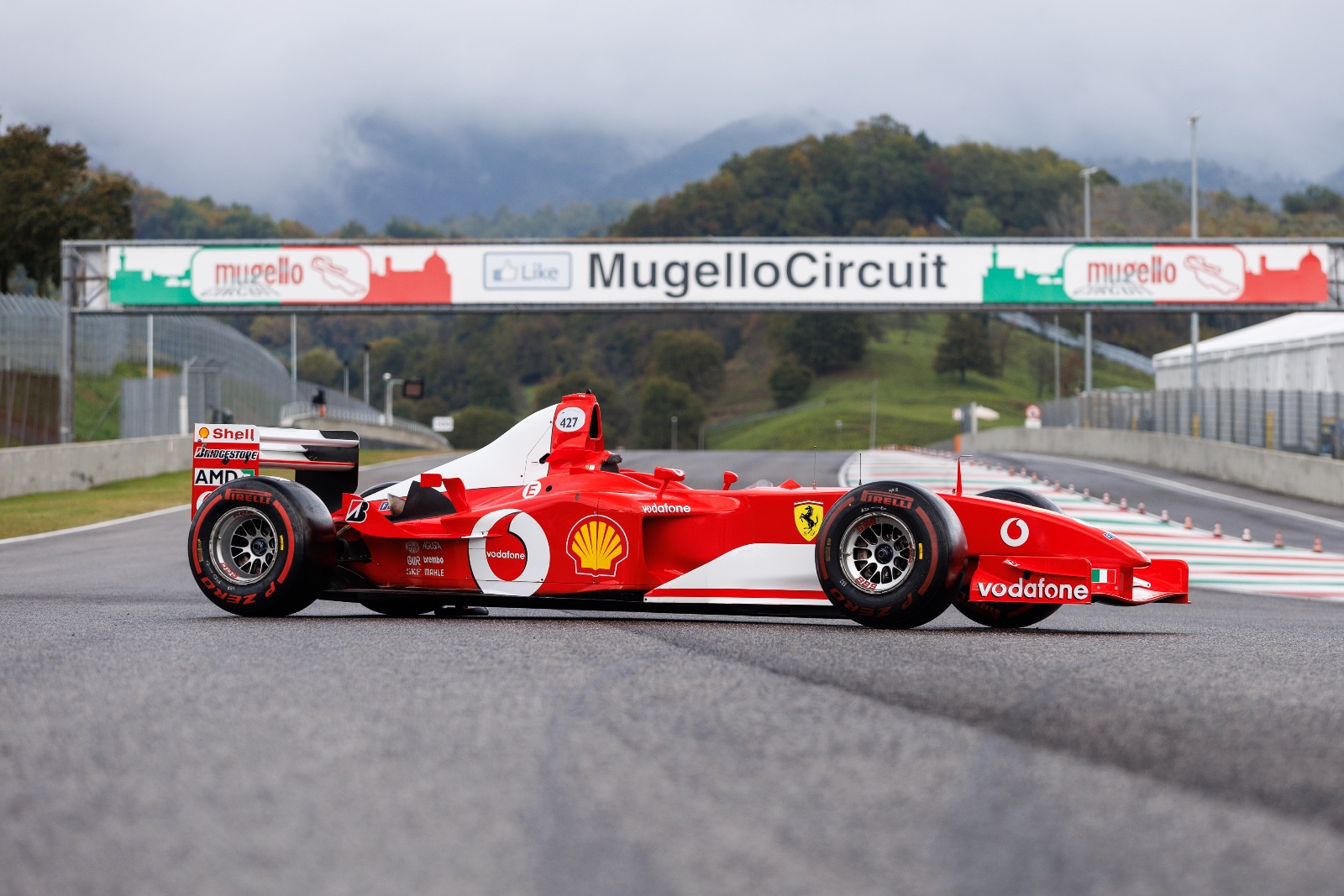
HISTOIRE DU CIRCUIT DU MUGELLO
À l’origine, le circuit du Mugello était d’un genre différent : c’était un circuit routier. En 1914, la première course automobile s’y est déroulée. Conçue à l’origine comme une course de régularité, la course du Mugello fut interrompue au début de la Première Guerre mondiale. Cette compétition exigeante et sélective connut son apogée dans l’après-guerre, où les meilleurs pilotes s’affrontèrent sur les 66 km de piste poussiéreuse, reliant Scarperia en montée à Firenzuola, puis passant par le col de la Futa en descente vers San Piero et Scarperia.
Les noms légendaires liés à cette course historique résonnent encore aujourd’hui : Campari, Brilli Peri, Enzo Ferrari (victoire en 1921 sur une Alfa Romeo classe 4.500), Ascari, Borzacchini et, surtout, Emilio Materassi, l’idole locale. Le prestige des Mille Miglia a terni la course sur route du Mugello après son édition de 1929, et même les compétitions organisées après 1955 sur le tracé réduit de 19 km n’étaient pas favorables.
Dans les années 1960, face à la disparition des Mille Miglia et à la popularité croissante des courses sur route, des organisateurs passionnés de sport automobile, tels que Pasquale Borracci et Amos Pampaloni, ont été convaincus de recréer la course du Mugello sur le tracé classique de 66 km. Les nouvelles épreuves ont connu un franc succès, malgré l’absence de la marque italienne la plus prestigieuse, Cavallino, qui n’a officiellement participé qu’à la compétition de 1967. Le destin voulait que l’histoire du circuit du Mugello et celle de Ferrari se rejoignent, mais il fallut attendre plus de vingt ans.
Les sept épreuves organisées dans les années 1960 ont attiré des centaines de milliers de spectateurs dans la verdoyante vallée du Mugello. Attirés par les performances des voitures de sport et de tourisme qui se disputaient la suprématie, ils étaient sous le charme des pilotes de ces voitures si proches des modèles de série, comme l’Abarth légèrement modifiée. La piste offrait des performances spectaculaires, que des pilotes comme Enrico Pinto, Nanni Galli, Ignazio Giunti, Mauro Nesti et Arturo Merzario exploitèrent pour bâtir leur réputation durable et méritée.
L’enthousiasme des spectateurs toscans se portait sur les pilotes les plus spectaculaires. Le « dragon » Sandro Munari était particulièrement apprécié lors de ses démonstrations sur les circuits difficiles et exigeants des Apennins au volant de la Fulvia Barchetta, conçue par Fiorio et Maglioli.
L’épreuve la plus palpitante eut lieu en 1968, lorsque l’Alfa Romeo, pilotée par Luciano Bianchi, Galli et Nino Vaccarella, s’imposa après une remontée incroyable sur la Porsche de Rico Steinemann et du Suisse Jo Siffert. Comme dans l’histoire du vilain petit canard, où le protagoniste se transforme en un beau cygne, le circuit routier du Mugello des années 1920 est devenu un circuit moderne.
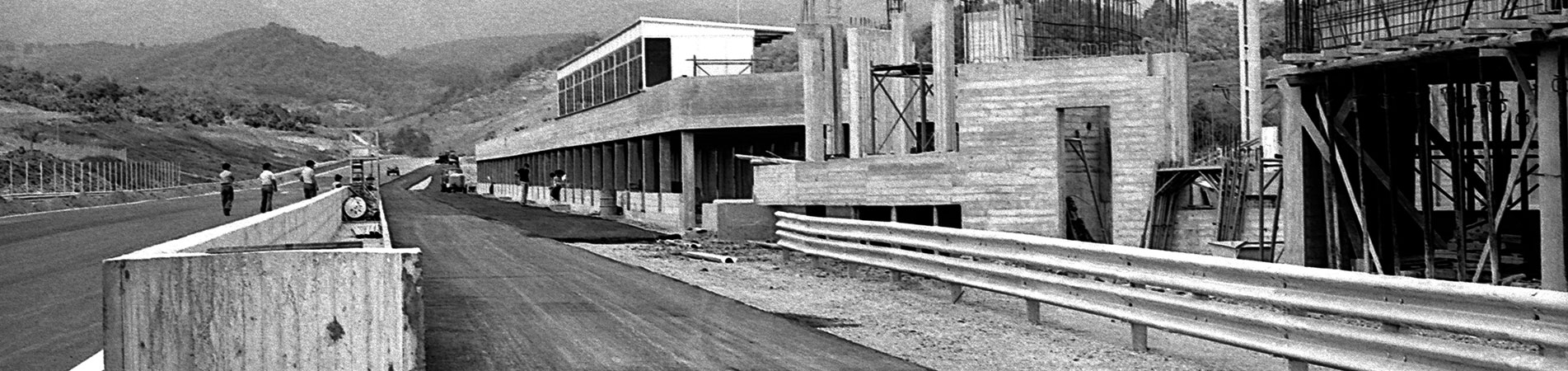
Aujourd’hui, le Mugello représente une avancée dans la conception de circuits alliant sécurité, technologie et infrastructures pour répondre aux exigences des courses automobiles et motos.
Conçu et réalisé selon les principes scientifiques du sport automobile, le Circuit International du Mugello garantit une sécurité maximale aux pilotes et aux spectateurs grâce à ses larges zones de dégagement dans les virages les plus exigeants et à sa voie de secours tout au long de son tracé de 5 245 m. Grâce à son emplacement, caractérisé par un dénivelé total de 41,19 m, le circuit du Mugello est le lieu idéal pour les épreuves les plus exigeantes.
Conçu dans les années 1970 et profondément remodelé par Ferrari, le Mugello est l’un des circuits les plus pittoresques, modernes et sûrs au monde. Entièrement opérationnel toute l’année, le circuit du Mugello est le centre d’essais régulier de Ferrari F1, le plus important constructeur de MotoGP et de Superbike, ainsi que d’autres constructeurs automobiles prestigieux italiens et internationaux. À ce jour, le circuit du Mugello a accueilli le Championnat de Formule 5000 (qui a baptisé le circuit rénové le 23 juin 1974), la Formule 3000, la Formule 2, la FIA GT et est le seul circuit italien à accueillir l’ITC.
Le circuit s’étend sur 5000 m à travers forêts et espaces verts. Les zones surélevées le long du tracé permettent aux spectateurs de vivre pleinement la course et de vivre des émotions fortes. Les installations ont été construites avec des technologies de pointe et le bâtiment administratif est entièrement équipé d’installations multifonctionnelles.
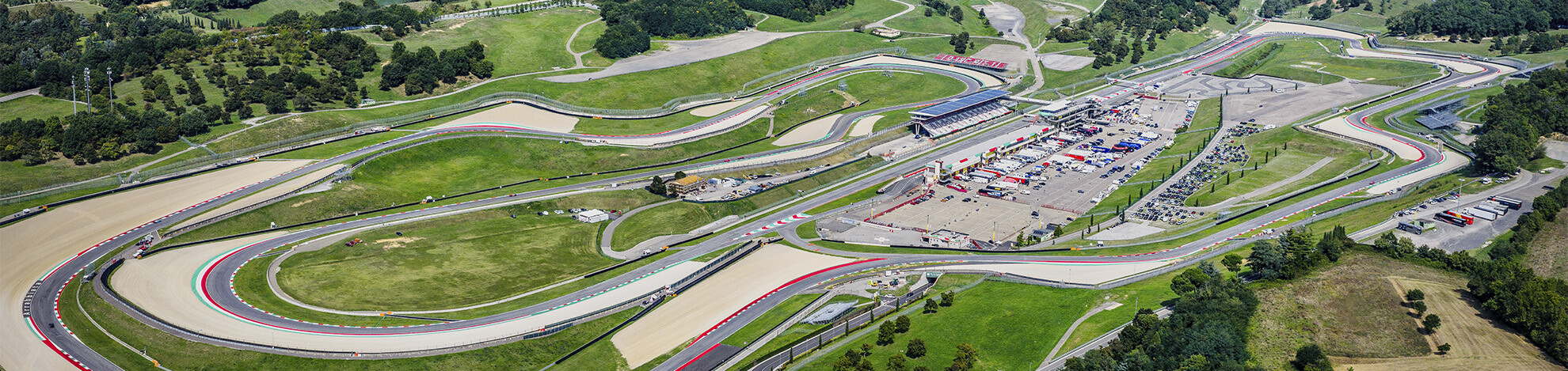
MUGELLO RACETRACK HISTORY
Originally the Mugello racetrack was of a different style : it was a road circuit. In 1914, the first motor race was held on this famous road circuit. Conceived at the beginning as a regularity race, the Mugello road race was interrupted at the outbreak of the World War I. The challenging and selective competition knew its golden years in the postwar period, when best drivers challenged one another on the 66 km. Dusty track, which went from Scarperia uphill to Firenzuola, and then through the Futa Pass downhill San Piero and Scarperia. The legendary names linked to this historical race still echo today: Campari, Brilli Peri, Enzo Ferrari (who won in 1921 on an Alfa Romeo class 4.500), Ascari, Borzacchini and perhaps, most importantly, Emilio Materassi, the local idol.
The prestige of the “Mille Miglia” dimmed the Mugello road race after its 1929 event and even the competitions held after 1955 on the reduced 19 km. Track were not favorable. In 1960′ s due to the disappearance of the “Mille Miglia” and the increasing popularity of road races, sportfriendly managers, such as Pasquale Borracci and Amos Pampaloni, were convinced to repropose the Mugello competition on the classical track of 66 km. The new events were quite successful even though they suffer from the absence of the most prestigious Italian mark, the Cavallino, which officially took part only in the competion of 1967. It was destiny that the histories of the Mugello racetrack and Ferrari would meet again, but it was necessary to wait over twenty years.
The seven events held in the ’60 drew hundreds of thousands of spectators in the green valley of Mugello. They were attracted by the performance of the sport and touring cars in battle for the supremacy and their hearts beat for the drivers of these cars so near to the production model, like the little modified Abarth. The track allowed spectacular driving performances, which drivers such as Enrico Pinto, Nanni Galli, Ignazio Giunti, Mauro Nesti and Arturo Merzario exploited to create their lasting and well deserved reputation.
The enthusiasm of the Tuscan spectators was devoted to the most spectacular drivers. The ‘dragon’ Sandro Munari, was particularly favored in his exhibitions on the difficult and challenging rounds of the Apennines with the Fulvia Barchetta, designed by Fiorio and Maglioli.
On the last events, the most exiting was in 1968, when the Alfa Romeo car, driven by Luciano Bianchi, Galli and Nino Vaccarella, won after an incredible recovery over the Porsche, driven by Rico Steinemann and the Swiss Jo Siffert. As in the story of the ugly duckling, where the protagonist becomes a beautiful swan, the Mugello road circuit of 1920’s becomes a modern racetrack. Nowadays “the Mugello” represents a step forward in the conception of circuits where safety, technology and facilities combine to satisfy the requirements of car and motorbikes races.
Designed and realized according to the devices developed by the sciences of road racing, the International Mugello Circuit guarantees the maximum safety for drivers and spectators alike, thanks to its wide run-off areas in the most demanding corners of the track ant its service road for the rescue all along the 5.245 m. Track. Thanks to its positioning characterized by a total variance in altitude of 41,19 m., the Mugello circuit is an ideal place for the most rigorous test.
Designed in 70’s and later greatly remodeled by Ferrari, “the Mugello” is one of the most scenic, modern and safe racing facilities in the world. Fully operational year round, the Mugello circuit is the regular test centre of Ferrari F1, the most important manufacturer of MotoGP and World Superbike, other prestigious manufacturer cars italian and international. To date the Mugello racetrack has hosted the Formula 5.000 Championship (which baptized the renovated circuit on June 23rd, 1974), the Formula 3.000, the Formula 2, the FIA-Gt and has been the only circuit in Italy to host the ITC.
The track runs over 5.000 m through the forests and green areas. The elevated areas along the track permit the spectators to take part fully in the race: to experience strong emotions ad protagonists.
The facilities have been built with leading technology and the office building is fully equipped with multifunctional facilities.
- Infos Pratiques - Competitors Information
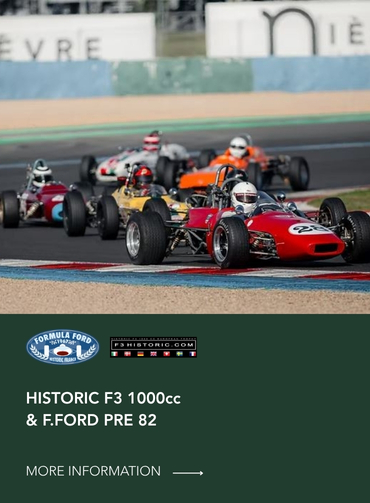 2, 3 & 4 octobre 2026 October 2, 3 & 4th
INFOS PRATIQUES : à lire impérativement avant de vous rendre sur le circuit
COMPETITORS INFORMATION : to read before coming on the circuit
PROGRAMME du MEETING/EVENT PROGRAM
DROITS d’ENGAGEMENT : 850 € si paiement avant le 1er juin ou 970 € après le 1er juin.
Conditions de remboursement :
– Remboursement intégral (ou report sur une autre épreuve) si annulé avant le 30 Juin
– 20% de frais d’annulation sur montant de l’engagement si annulé entre 1er et 31 Juillet
– 80% de frais d’annulation sur le montant de l’engagement si annulé après le 1er AoûtENTRY FEES : €850 before 1st of June, €970 after 1st of June
Refund conditions :– Full refund (or transfer to another event) if cancelled before June 30th– 20% cancellation fee on the entry fee if cancelled between July 1st and 31st– 80% cancellation fee on the entry fee if cancelled after August 1stPASSES d’ACCES : chaque concurrent inscrit recevra 4 laissez-passer pour accéder au paddock et aux stands. Les pass supplémentaires pour les concurrents (accès accompagnateurs ou staff technique) seront en vente sur le site d’HVM (www.hvmracing.fr) pour la totalité du meeting.
ACCESS PASSES : Provision of 4 passes (4) per competitor. Additional access passes may be provided to competitors and must be ordered in advance at : www.hvmracing.fr
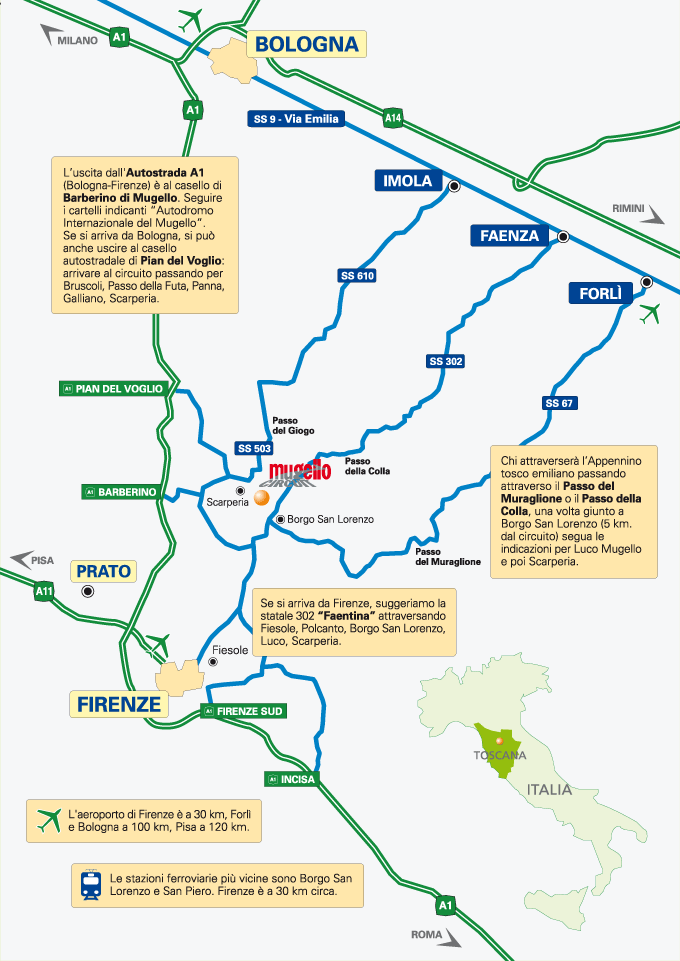
ACCES au CIRCUIT / CIRCUIT ACCESS :
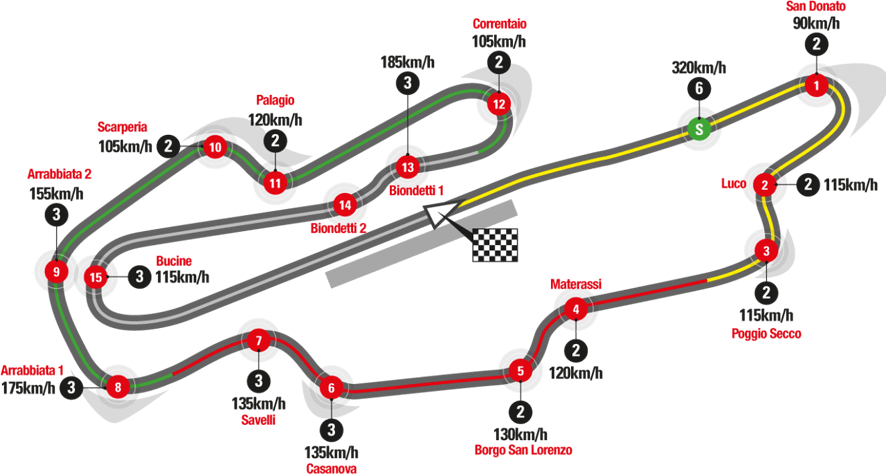
PLAN du CIRCUIT / CIRCUIT MAP :
PLAN du PADDOCK/PADDOCK MAP :
Cliquez sur ce lien pour obtenir le plan du paddock et celui-ci pour trouver votre emplacement /click on this link to get the paddock map or this one to find your location
HORAIRES / TIME TABLE : cliquez sur l’image ci-dessous / Click on the image below
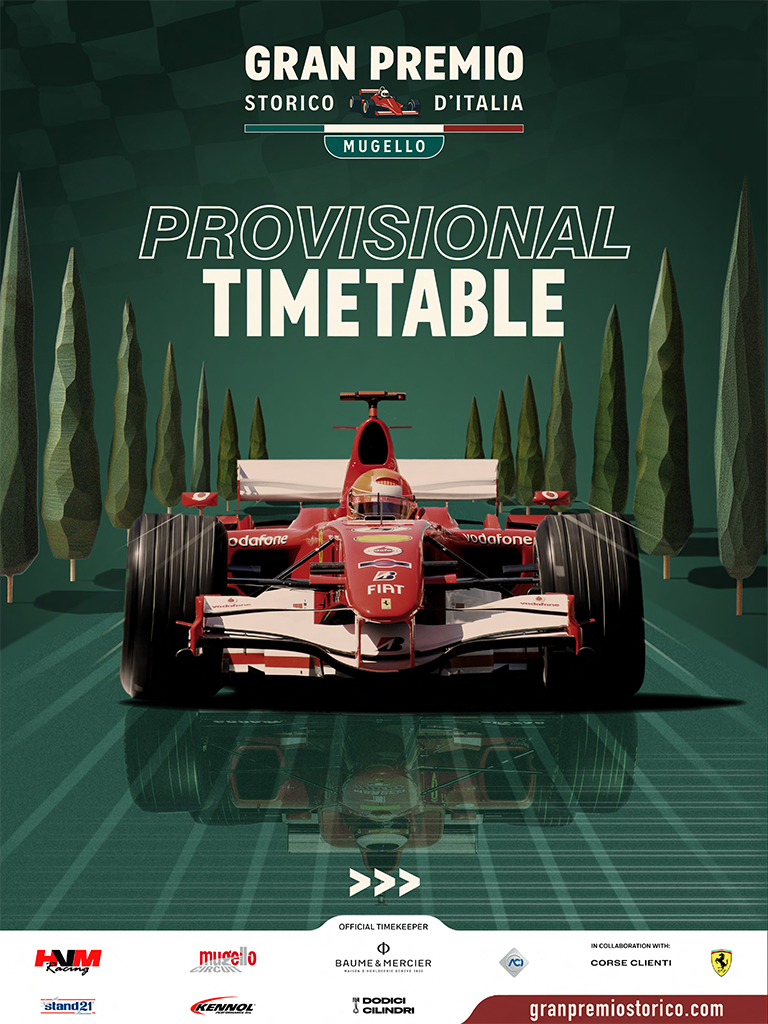
HORAIRES détaillés/ Detailed SCHEDULE : cliquez sur ce lien / Click on this link
ESSAIS PRIVES / PRIVATE PRACTICES : 02/10 : 20mn = 150 €. Réservation et règlement (Book & Pay) sur le site d’HVM Racing : www.hvmracing.fr : 180 € sur place.
PRIVATE PRACTICES : 10/02 : 20mn = €150. Book & Pay on HVM Racing website : www.hvmracing.fr : €180 on site.
PLAN GENERAL du PADDOCK (cliquez sur ce lien)
GLOBAL PADDOCK MAP (click on this link)
Votre emplacement dans le paddock F3 1000cc/Formula Ford (cliquez sur ce lien)
You own place in the F3 1000cc/Historic Formula Ford area (click on this link)
REGLEMENT PARTICULIER (projet) : https://www.formula-ford-historic.fr/wp-content/uploads/2015/11/2026-GPSI_RPG_Velocita_Circuito_2026_DRAFT-v3-OC-Copie.pdf
- Liste des Engagés - Entry List
Les inscrits pour Gran Premio Storico d’Italia – Mugello Circuit 2026 (octobre 2 - octobre 4)
CircuitNomPrenomNumeroMarqueTypeAnneeClasseLicenceTranspondeurEcurieGran Premio Storico d’Italia – Mugello CircuitPREVOSTRégis27McNAMARAFCA Mk31970A (1966-1973)2667436478Racing Car MewsGran Premio Storico d’Italia – Mugello CircuitWIDMERChristoph63BrabhamBT18A1966C (Invité)5167AMB 855-6478 / TAG Heuer 60109Gran Premio Storico d’Italia – Mugello CircuitWIDMERAustin39BrabhamBT211968C (Invité)Gran Premio Storico d’Italia – Mugello CircuitWIDMERCalvin23Lotus61 M1970A (1966-1973)AMB 14680543 / TAG Heuer 17298Gran Premio Storico d’Italia – Mugello CircuitDEROSSIFrançois77CHEVRONB171970C (Invité)6058HEUER 60111 ou AMB 0434987BLUE BIRD RACINGGran Premio Storico d’Italia – Mugello CircuitADAMSNIGEL32LOTUS611969C (Invité)62348AMB TranX 260DP : 0655004Gran Premio Storico d’Italia – Mugello CircuitINGWILLERLudovic21PygméeF3 691969A (1966-1973)66826TAG 60120 / AMB 4850011Blue Bird RacingGran Premio Storico d’Italia – Mugello CircuitDIONISOTTIJean177LOLAT5401979B (1974-1981)593036498PalmyrGran Premio Storico d’Italia – Mugello CircuitROLLETTony23MARCH7181971A (1966-1973)34278710729ATELIER 43Gran Premio Storico d’Italia – Mugello CircuitMcMORRANPaul72Crosslé20F1972A (1966-1973)131053Chronelec 50157Black MagicGran Premio Storico d’Italia – Mugello CircuitMANTZDidier121HAWKEDL 2A1971A (1966-1973)5122737162Racing Car MewsGran Premio Storico d’Italia – Mugello CircuitCLERCJean-Michel44TECNOF31968C (Invité)1726ZRS RacingGran Premio Storico d’Italia – Mugello CircuitLECLUSEEric61LOTUS691971A (1966-1973)900035TAG 60665CracGran Premio Storico d’Italia – Mugello CircuitSLACKJohn26LolaT 2001970A (1966-1973)242330AMB ( My Laps ) 3779592PrivateerGran Premio Storico d’Italia – Mugello CircuitMORRISBrian17LolaT 2001970A (1966-1973)226969LOCNeil Fowler MotorsportGran Premio Storico d’Italia – Mugello CircuitEYNARD MACHETJean Pierre34Crosslé32 F1978A (1966-1973)1127270375430PalmyrGran Premio Storico d’Italia – Mugello CircuitROMAGNIOLI SACCHIGiovanni49Delta Lotus 69F.FORD1973A (1966-1973)108011Protime Elite 39554Black Magic MotorsportGran Premio Storico d’Italia – Mugello CircuitZOSSOJo80Van DiemenRF801980B (1974-1981)5072Z-RacingGran Premio Storico d’Italia – Mugello CircuitFE d'OSTIANIFrancesco11DE SANCTISFormula Ford1971A (1966-1973)INT C 515287ELITE 19003TEAM COVIRGran Premio Storico d’Italia – Mugello CircuitISCHICharles146March7031970C (Invité)5493AMB 055762Team Charles IschiGran Premio Storico d’Italia – Mugello CircuitSANJUANAugustin40MerlynMK20A1971A (1966-1973)INT C 74037625ZRSGran Premio Storico d’Italia – Mugello CircuitVAGLIO GIORSChristian41VAN DIEMENVD801980A (1966-1973)701XXXEquipe PALMYRGran Premio Storico d’Italia – Mugello CircuitBELLEFrançois1LOLAT 540 E1978A (1966-1973)20693936257Equipe PALMYRGran Premio Storico d’Italia – Mugello CircuitBLIJLEVENJaap43NomadMaranello1978B (1974-1981)15487Black Magic MotorsportGran Premio Storico d’Italia – Mugello CircuitFISCHERRoland93Tecno691970C (Invité)IC 1039269Gran Premio Storico d’Italia – Mugello CircuitTIMMSJason28BrabhamBT211967A (1966-1973)59336AMB8907614James Timms TransportGran Premio Storico d’Italia – Mugello CircuitTIMMSJeremy24ChevronB151969C (Invité)50985TBAGran Premio Storico d’Italia – Mugello CircuitMICHELXavier16CROSSLE32 F1978B (1974-1981)3598760030Racing Car MewsGran Premio Storico d’Italia – Mugello CircuitDELHASSEDamien11MerlynMk11a1969A (1966-1973)910250Gran Premio Storico d’Italia – Mugello CircuitNICHOLSSteve5Chevron B17F31970C (Invité)37258AMB 3860955Gran Premio Storico d’Italia – Mugello CircuitSIKSTRÖMPeter29Van DiemenFormel Ford1979B (1974-1981)60142nonGran Premio Storico d’Italia – Mugello CircuitHOTTINGUERPhilippe51VAN DIEMENVD 7919792539960676PALMYRGran Premio Storico d’Italia – Mugello CircuitPIERUCCIRoberto7BellasiF31967C (Invité)398242Scuderia tazio NuvolariGran Premio Storico d’Italia – Mugello CircuitUNSWORTHPaul41LolaT2001969C (Invité)2215388255752Neil Fowler MotorsportGran Premio Storico d’Italia – Mugello CircuitLOFTHAMMARBengt62Brabham 1000ccBt211967A (1966-1973)131379Mylaps TR2 11023077 (. Or rent if possible )Team LofthammarGran Premio Storico d’Italia – Mugello CircuitLOFTHAMMARAnders3BrabhamBT281970A (1966-1973)89117AIM 10505699Gran Premio Storico d’Italia – Mugello CircuitWRIGLEYMatthew15MerlynMk11a-201969A (1966-1973)227604TbcNaGran Premio Storico d’Italia – Mugello CircuitSHEPPARDDominic89LolaT2001970A (1966-1973)371362NaNeil fowler motorsportLes inscrits en liste d'attente pour Gran Premio Storico d’Italia – Mugello Circuit 2026 (octobre 2 - octobre 4)
CircuitNomPrenomNumeroMarqueTypeAnneeClasseLicenceTranspondeurEcurie

- Cet évènement est passé
Gran Premio Storico d’Italia – Mugello Circuit
octobre 2 - octobre 4
| 850€ à 970€Event Navigation
- Formulaire d'inscriptions pour Gran Premio Storico d’Italia – Mugello Circuit 2026 (octobre 2 - octobre 4)
- Si vous être déja inscrit au challenge identifiez-vous ici avant de vous inscrire à cette course.
- Si vous n'êtes pas déjà inscrit au challenge vous pouvez vous inscrire ici.
Conditions :
Je déclare participer à la course et en accepter les règlements sportifs et techniques. I declare to join the race and to accept the sporting and technical rules.
Les signataires reconnaissent et certifient sur l'honneur l'exactitude des déclarations de ce document et s’engagent à respecter les règlements sportifs, techniques et les équipements de sécurité obligatoire de ce Trophée et de la FFSA. Les signataires déclarent : être couvert par une assurance personnelle responsabilité civile pour tout dommage causé aux tiers ; que le véhicule à moteur est couvert par une assurance automobile (obligatoire en application de l'article L. 211-1 du Code des assurances) ; avoir pris connaissance des dispositions de l'article L.321-4 du Code du sport en ce qui concerne la souscription d'un contrat d'assurance de personnes couvrant les dommages corporels auxquels le sport automobile peut m’exposerL'inscription ne sera prise en compte qu'après réception de votre règlement de 850 Euros pour paiement avant le 1er juin, ou de 970 Euros pour paiement après le 1er juin.
Moyens de paiement :
- Chèque (libellé en Euros, compte domicilié en France) établi à l'ordre d'Action Racing, à envoyer à l'adresse suivante : ACTION RACING 33 rue de la Centenaire 30210 Saint Hilaire d’Ozilhan
- Par virement bancaire : cliquez sur RIB pour obtenir un relevé d'identité bancaire d'ACTION RACING.
- Par cartes bancaires (CB,Visa, Amex, Mastercard…) via notre boutique en ligne (attention les prix seront majorés de +/- 3% pour tenir compte des frais appliqués par ces organismes
Your entry will only be confirmed after receipt of your payment of €850 for payoff made before June 1st, or €970 for payoff made after June 1st.
Payment methods :
- Check (made in Euros, drawn on a French bank account) for the benefit of Action Racing and sent to the following address: ACTION RACING, 33 rue de la Centenaire, 30210 Saint Hilaire d’Ozilhan, France
- Bank transfer: click on RIB to obtain ACTION RACING's bank details.
- Credit/debit cards (CB, Visa, Amex, Mastercard, etc.) by our online store (please note that prices will be increased by approximately 3% to account for processing fees).
- Le Circuit - Race Track
- Infos Pratiques - Competitors Information
- Liste des Engagés - Entry List